
The Glass-to-Metal Feedthrough – Our Core Competence

Technology
A glass-to-metal feedthrough, also known as a Glass-to-Metal Seal (GTMS), is a vacuum-tight connection (typically < 1E-8 mbar l/s) between metal and glass. This connection is required to hermetically seal and shield the electrical conductors (pins) from the external environment into the housing.
Application and Advantages
Glass-to-metal feedthroughs are used whenever electronics, ignition powder, or other components need to be encapsulated against the external environment in a durable manner and without loss of performance. The harsher the environment, the more uniquely glass-to-metal feedthroughs demonstrate their advantages over plastic connections.


Applications
- high temperatures up to 450°C
- frequent temperature changes from -65°C to 150°C
- high humidity and moisture changes
- aggressive media such as oil, fuel, saltwater, etc.
- high pressure loads up to 2000 bar
A glass-to-metal feedthrough typically consists of a metal outer part, a glass molding, and one or more internal conductors. These components are hermetically fused together in a special thermal process at approximately 1000°C under a protective gas atmosphere.
Distinctions
Matched Glass Feedthrough
The components used (ring, glass, and pin) have approximately the same thermal expansion. A hermetically sealed connection between the glass and the metals is achieved by means of oxide layers.
Advantages:
- high temperature resistance up to 450°C
- low thermal expansion
Pressure Glass Feedthrough
The outer metal part, typically steel or stainless steel, has a significantly higher thermal expansion than the glass and the internal conductor used. The hermetically sealed connection is achieved by compression.
Advantages:
- high mechanical strength
- low material costs
Typically, the glass feedthroughs are surface-treated before and/or after the melting process. Depending on customer requirements and further processing methods, the metal parts in our electroplating facility are, for example, nickel-plated, tin-plated, silver-plated, and gold-plated.
Further information and details can be found in our Design Rules, which we will gladly send you upon request.
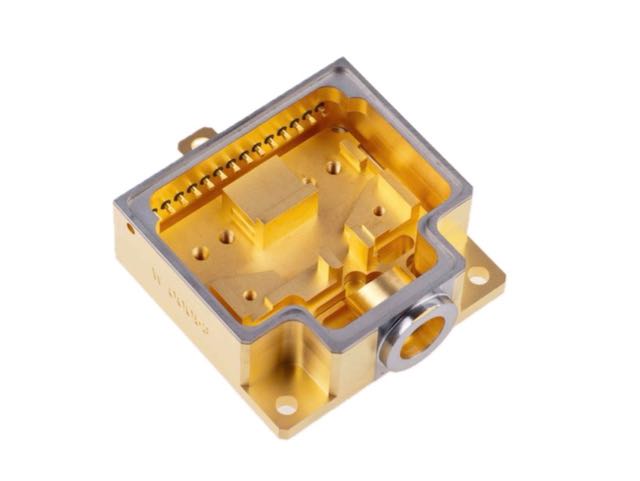
Assemblies

Our assembly production for our customers includes mechanical manufacturing through CNC turning, milling, punching, and forming.
We specialize in demanding small to medium series. We also implement large series for our customers through the development and production of special automated machines.
We produce assemblies from a wide variety of materials, from simple requirements to complete and ready-to-use technology in high volumes.
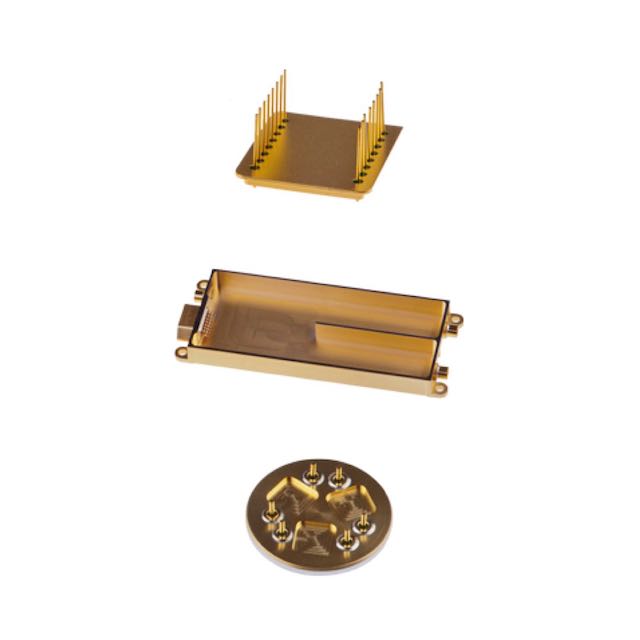

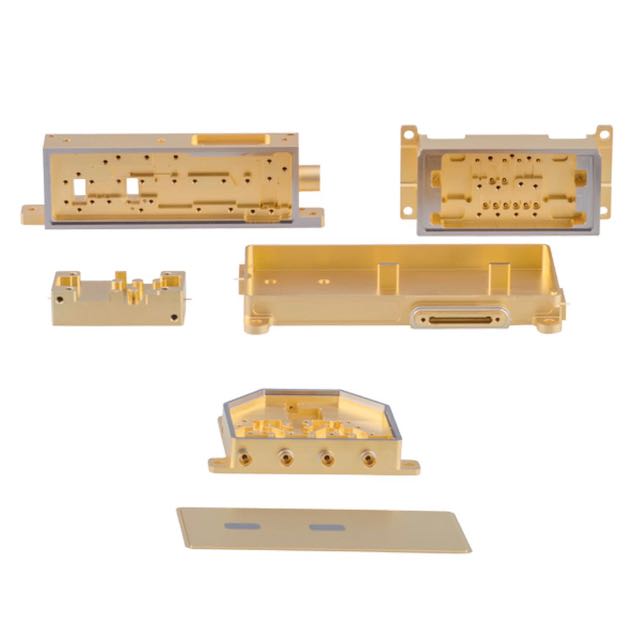

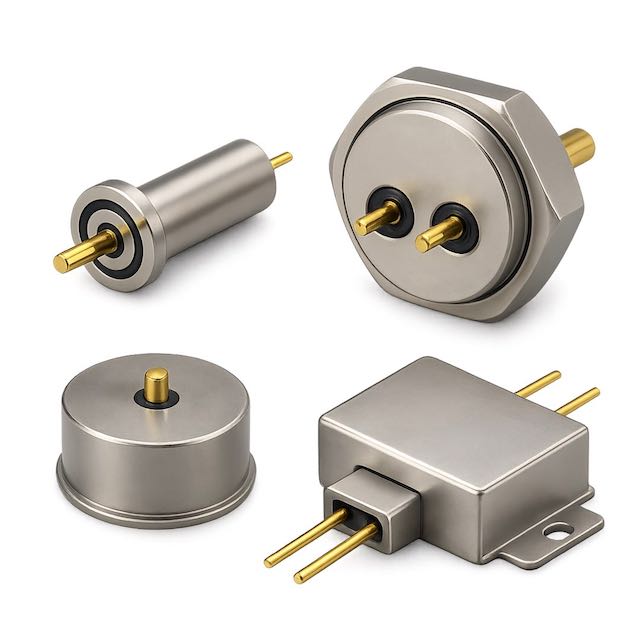
Application Examples
Soldering I Welding I Gluing I Joining I Pressing I Screwing I Assembling I Wiring
We are happy to offer you everything from a single source.
With our skilled workers and our extensive machine and tool construction, we can handle small, medium, and large series in specially developed semi-automatic machines or fully automated special machines.